Study Model / Spatial Design

iHeartSF Village

A humane, scalable transitional housing campus concept developed for iHeartSF through research, site planning, 3D modeling, rendering, and physical model preparation.

iHeartSF Village
TypeArchitecture / Study Model
Site300 Lake Street, ~6 acres
ToolsRhino, Blender, Adobe Suite, 3D Printing
OutputMaster plan, models, renders, proposal visuals

Overview

iHeartSF Village is a campus-style transitional housing concept designed to support individuals and families experiencing homelessness with dignity, stability, and pathways to reintegration.

The project imagines 300 Lake Street as a self-sufficient village where residents can rest, recover, rejuvenate, learn new skills, improve past skills, and regain independence in a nurturing environment tailored to their individual needs.
Process

01

Requirements

iHeartSF is a brand committed to transforming perspectives and lives through a different and innovative approach to the homeless population. The goal was to design a humane, scalable transitional housing campus that supports individuals and families with dignity, stability, and pathways to reintegration.

The village needed to function as a self-sufficient campus with residential clusters, shared services, outdoor recreation, support programs, and spaces that feel safe, private, durable, and non-institutional.

Site

  • ~6-acre property at 300 Lake Street
  • Campus-style layout
  • Phased growth and long-term adaptability

Program

  • Modular living units for individuals and families
  • Privacy, safety, and durability
  • Residential clusters and shared services

Common & Outdoor Spaces

  • Community dining and gathering areas
  • Secure play areas and recreation zones
  • Courtyards, gardens, and walking paths

Support & Services

  • Case management and counseling
  • Childcare, education, and job training spaces
  • Health, wellness, administration, and staff areas
02

Research

Research focused on transitional housing models, modular living units, campus-style planning, shared community spaces, zoning strategies, and human-centered design language.

The design approach emphasized repeatable prototypes, clear public to semi-private to private zoning, outdoor access, and a warm environment that avoids feeling institutional.

03

Modeling

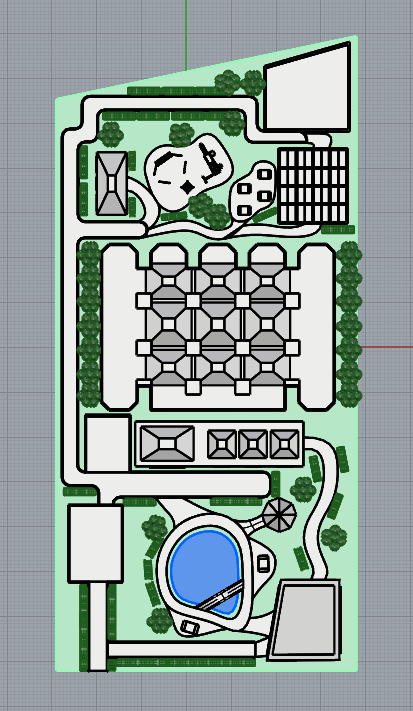
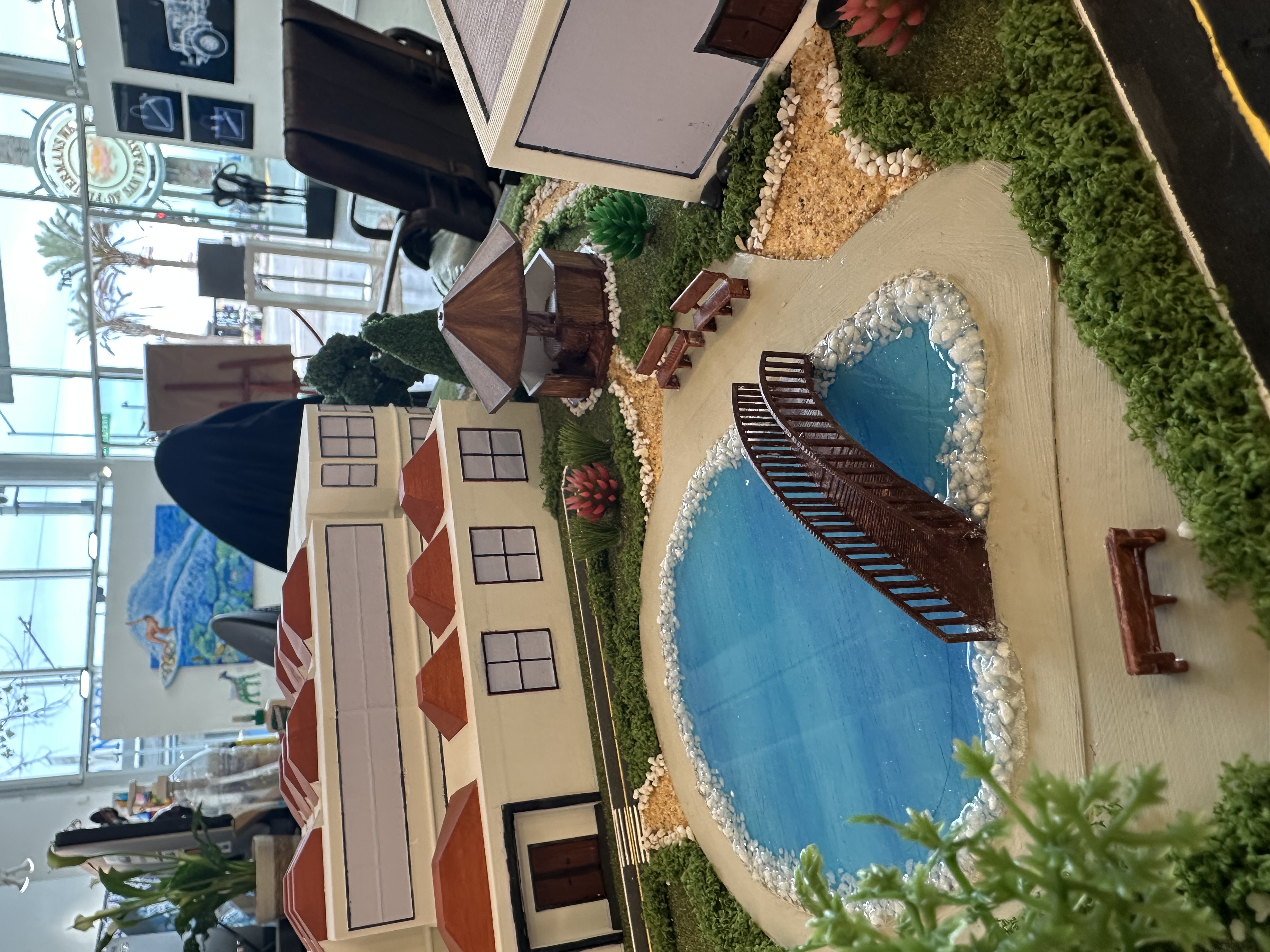
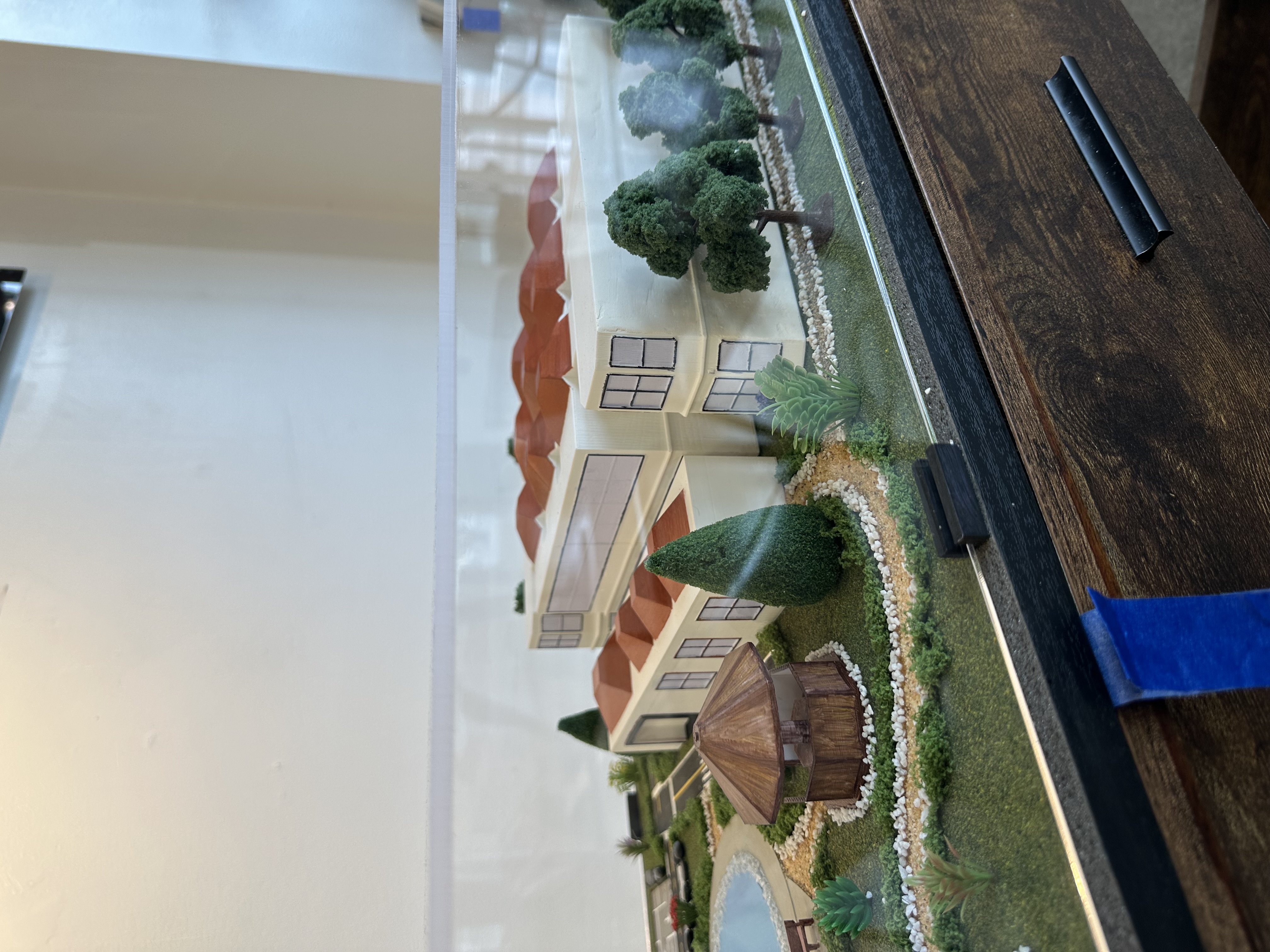
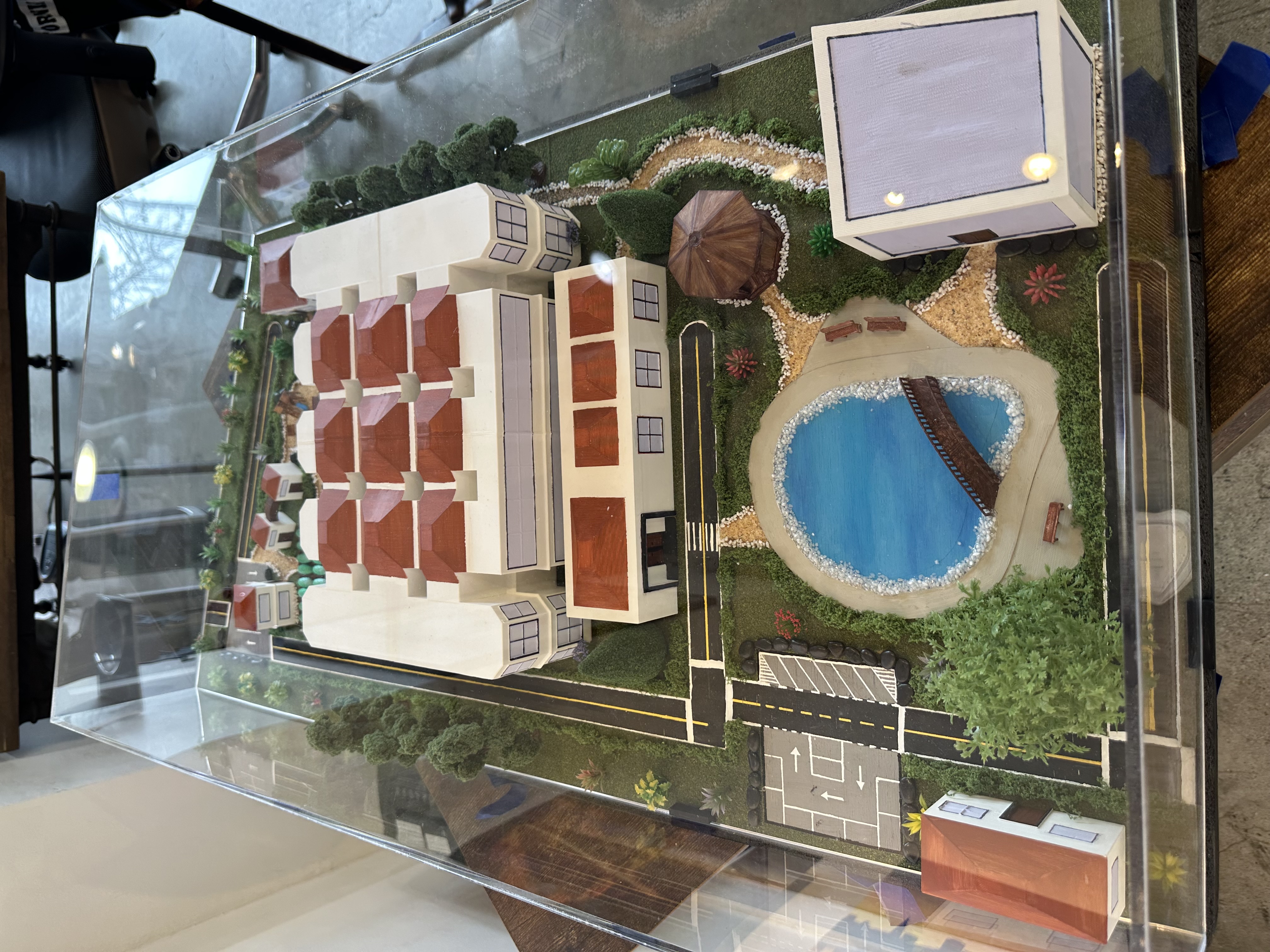
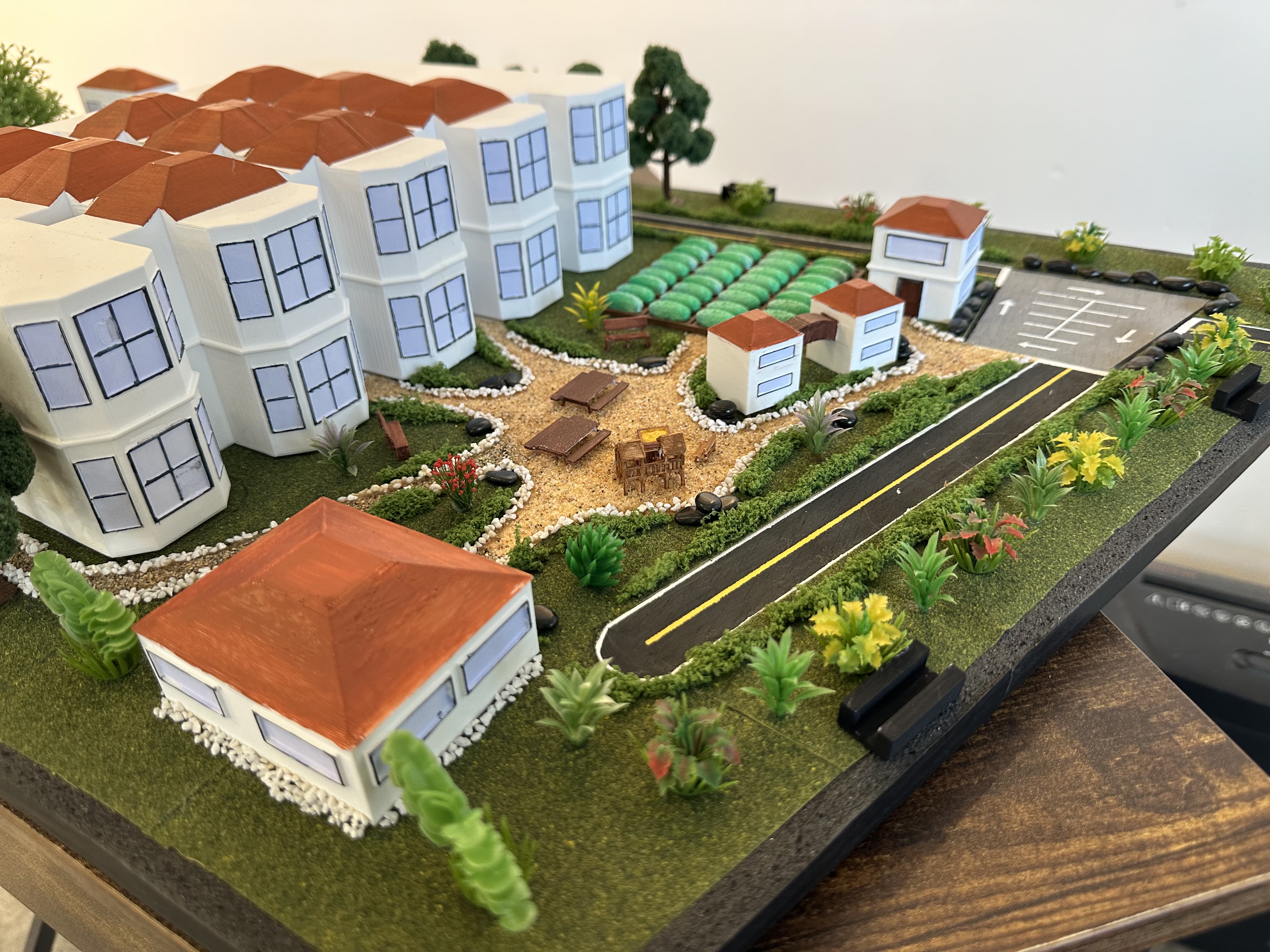
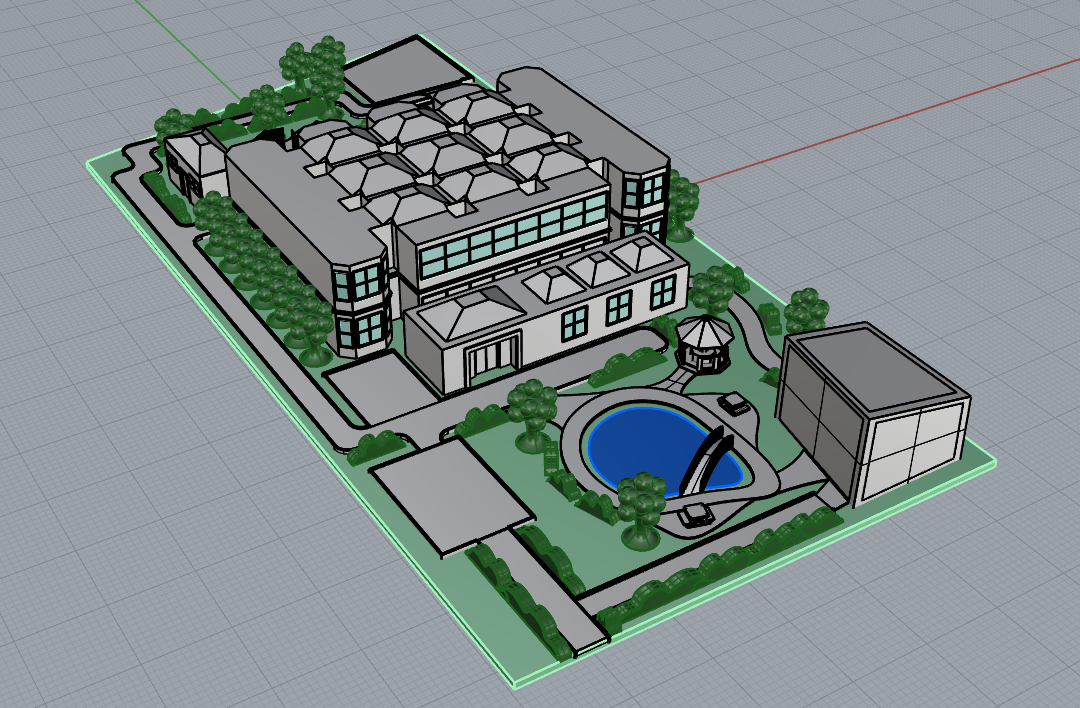
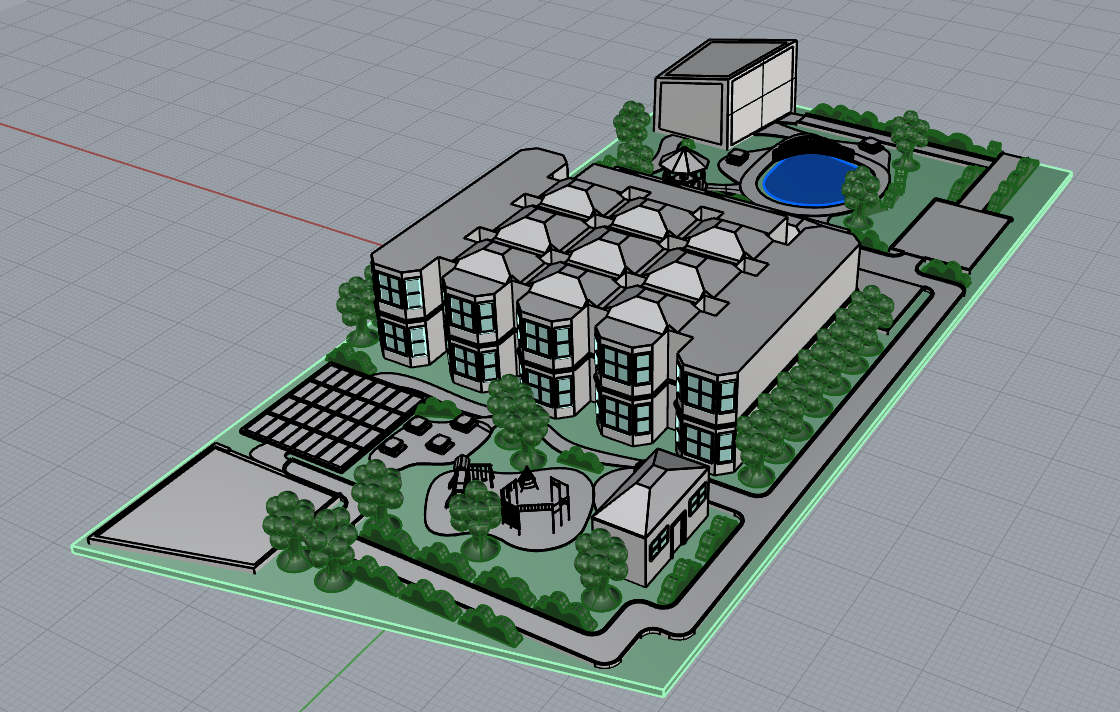
The site, living units, shared services, and campus layout were translated into 3D models to study massing, circulation, residential clustering, and the relationship between public, semi-private, and private areas.

04

Rendering

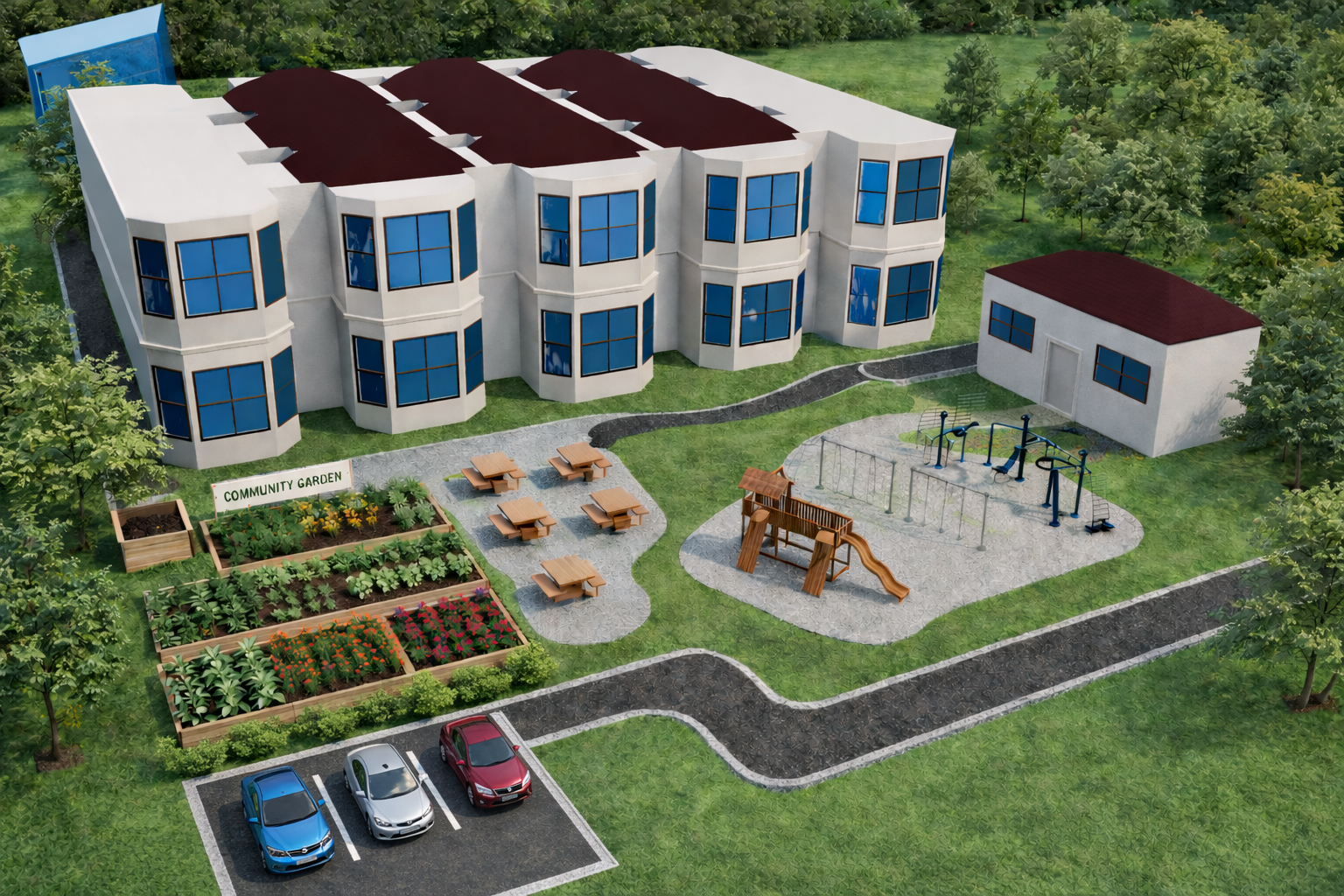
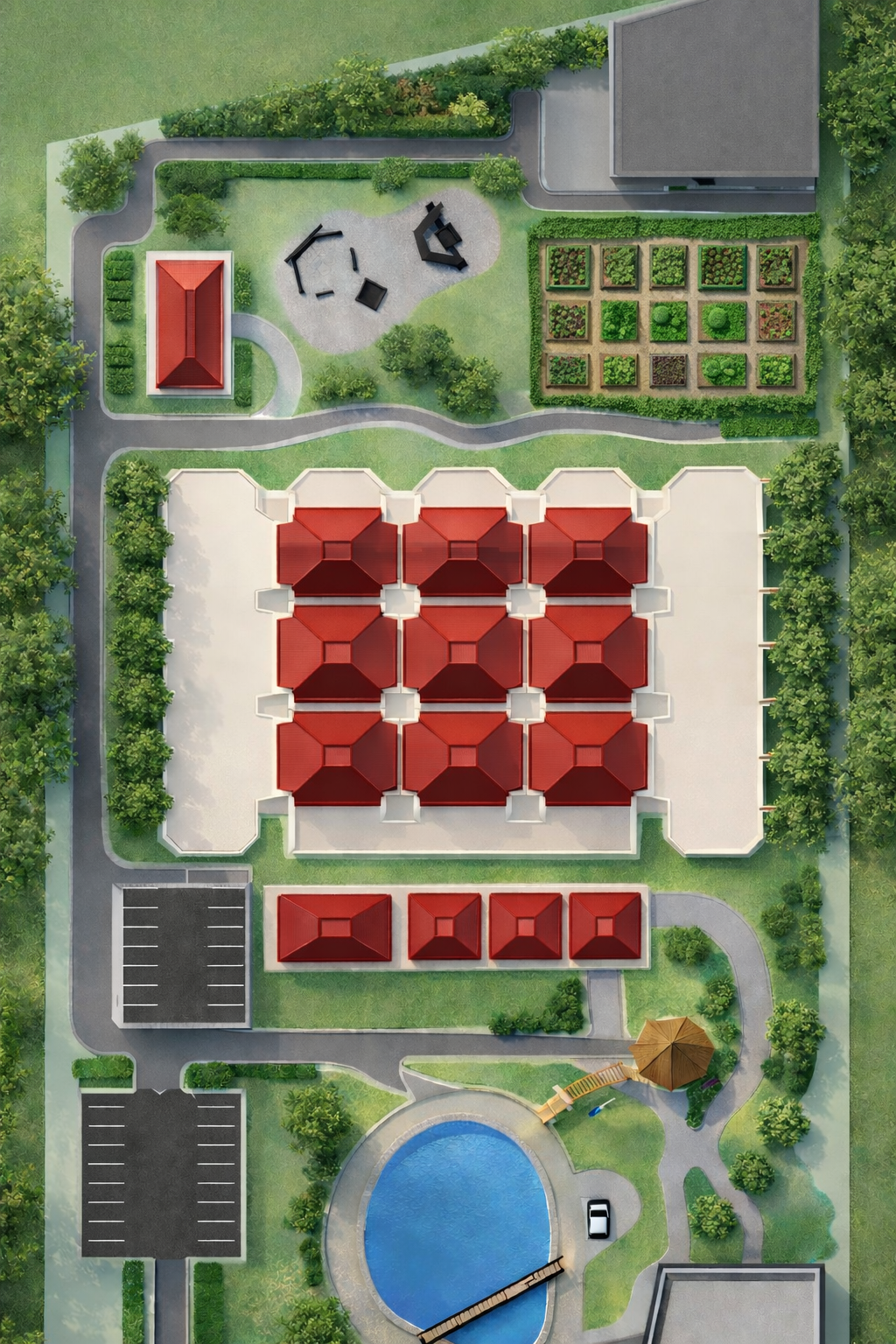
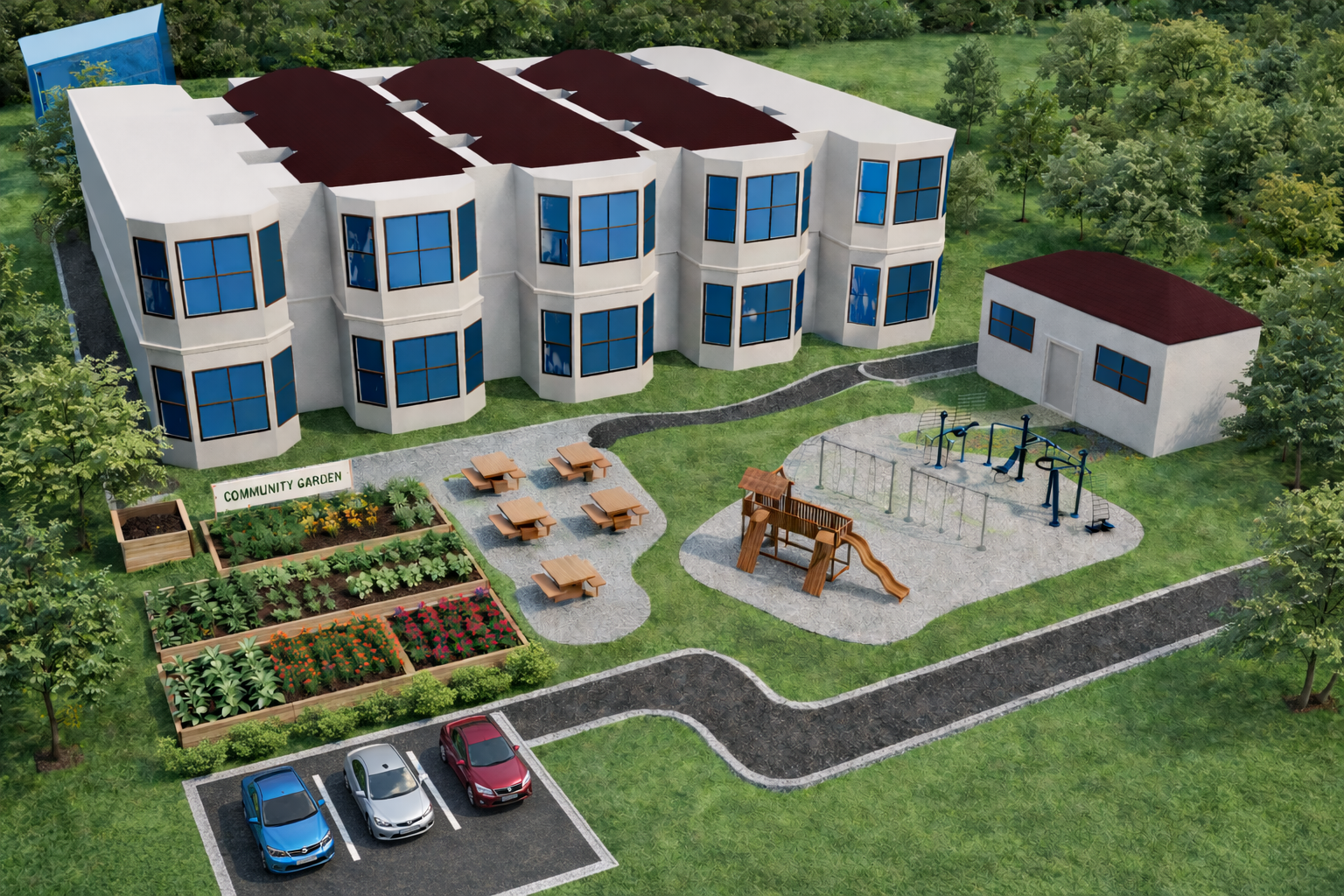
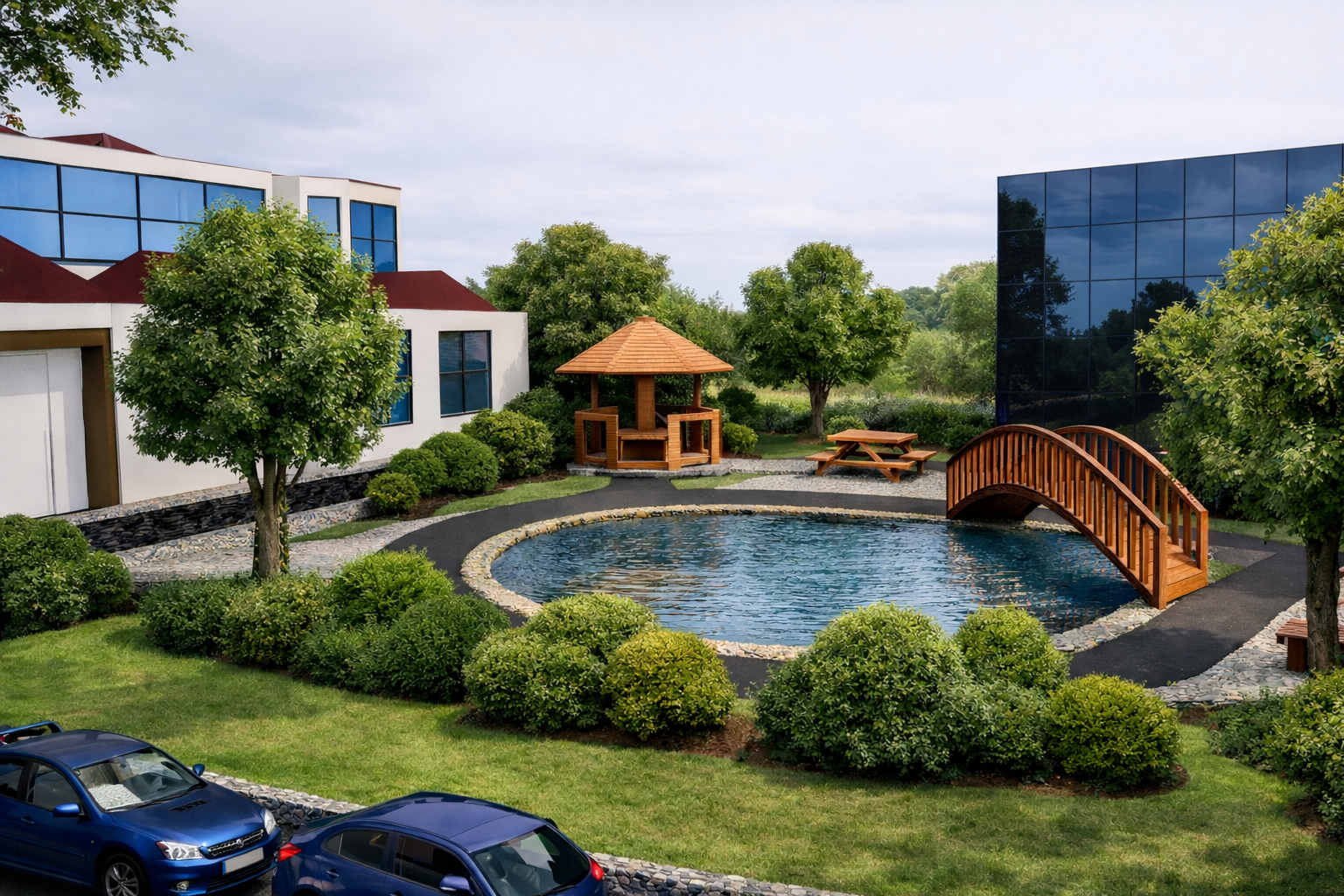
Renderings were created to communicate the atmosphere of the village, including residential clusters, common spaces, living units, outdoor paths, and the overall proposal direction.

05

Fabricating

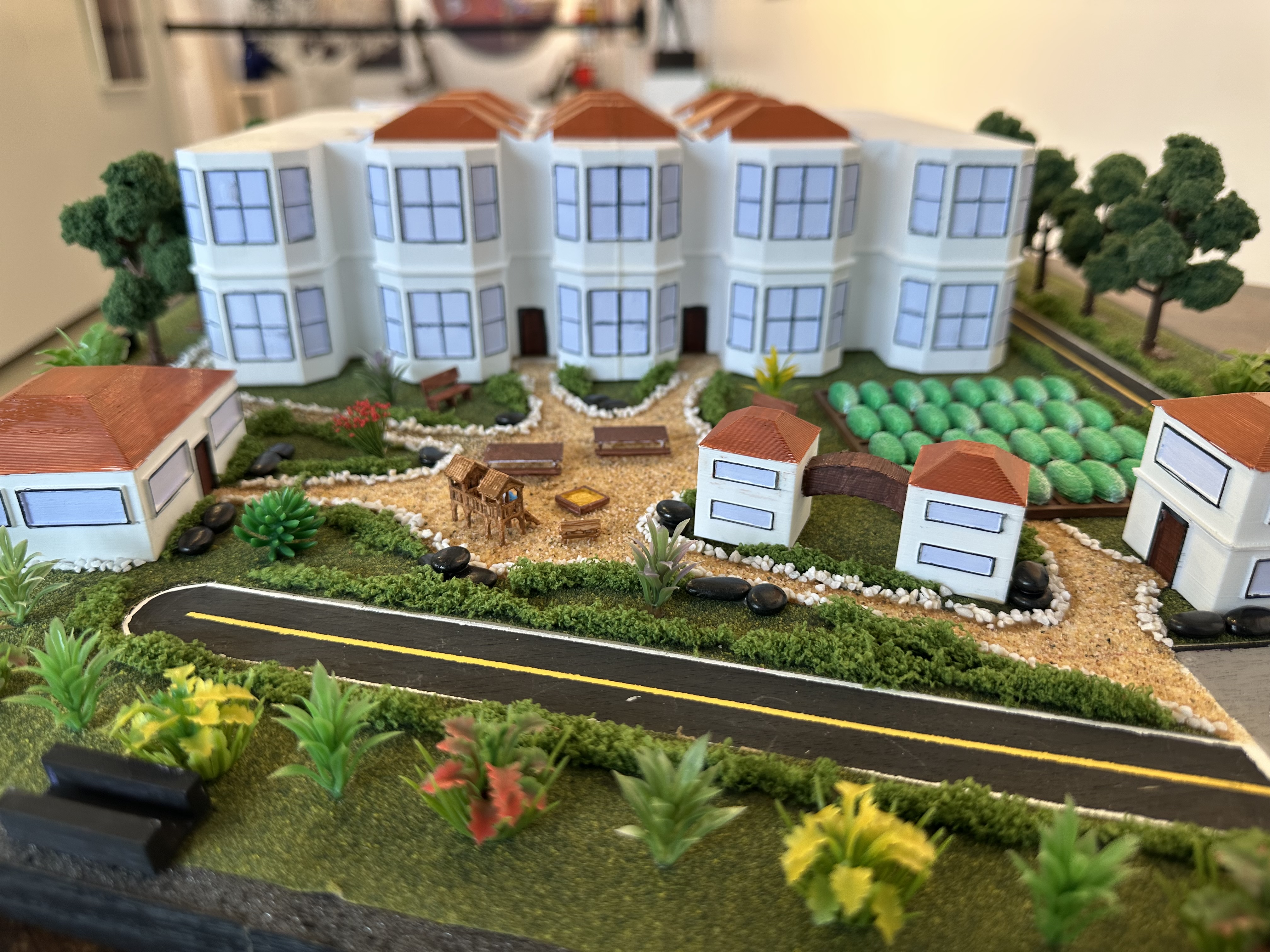
The proposal was prepared for physical model execution by organizing model components, scale relationships, modular prototypes, and presentation visuals into a clear fabrication workflow.

Final Outcome

The final deliverables brought together a site master plan, massing model, living unit prototypes, common space concepts, final 3D models, renderings, and physical model direction for the proposal.

The result communicates a village designed around dignity, recovery, privacy, shared support, and long-term adaptability.

Final iHeartSF Village visualFinal iHeartSF Village visualFinal iHeartSF Village visual
← Back to Projects